
I am using the fictional first-person perspective of a UK vape-shop stock manager who regularly handles prefilled pod systems, checks packaging, compares device layouts, and explains practical differences to adult customers who already use nicotine. I look at products such as the Hayati Pro Max Plus 6000 less as flashy new releases and more as small electronic systems that need to make sense over repeated daily use. A long puff estimate catches attention quickly, but I usually learn more from the battery, pod arrangement, charging method, coil setup, and the way a device communicates its remaining liquid and power.
The Hayati Pro Max Plus 6000 sits in the category of rechargeable prefilled pod kits rather than a conventional bottle-filled vape. According to the retailer’s current product description, it uses an 850mAh rechargeable battery, USB Type-C charging, a 2ml prefilled pod connected to a 10ml auto-feed cartridge, 20mg nicotine salt liquid, draw activation, and an LED display for battery and liquid information. The same listing describes the system as capable of up to 6,000 puffs. I treat that last number as a usage estimate rather than a promise because individual draw length and frequency can change how quickly liquid is consumed.
Why I Look Past the 6,000-Puff Number
Puff counts are one of the first specifications people notice, but I never use them as my only measure of a pod system. Two people can use the same device quite differently. Someone taking short mouth-to-lung draws throughout a workday may get a different result from somebody who takes longer draws in concentrated sessions, so I prefer to think of the number as a rough capacity indicator.
Numbers need context. The retailer describes the Hayati system as using a 2ml pod that is automatically supplied from a separate 10ml cartridge rather than requiring the user to pour liquid into the device. It also states that the sealed pod https://www.ordervape.co.uk/products/hayati-pro-max-plus-6000 assembly is replaced after the liquid has been used. From a practical handling perspective, that layout tells me more than the headline puff figure because it explains how the product is intended to function during its usable life.
I often picture a composite customer who has previously used small pod systems and asks why one device carries a much higher puff figure than another. I would first point to the liquid arrangement, then the rechargeable battery, before discussing the number printed on the package. That usually gives a clearer picture. A puff claim is easy to compare on paper, while the actual experience depends on how the complete system works together.
How I Judge the Battery and Charging Setup
I pay close attention to battery capacity on any longer-use prefilled system because the liquid supply can outlast a single charge. The retailer lists an 850mAh rechargeable battery for this model and says charging is handled through USB Type-C. It also states that the charging cable is not included with the kit. Those are small details, but they affect the everyday routine around the device.
An 850mAh figure gives me a useful reference point, though I would never tell somebody exactly how many hours it will last from that specification alone. Draw frequency, coil demand, battery age, and charging habits can all change real use. What matters to me is that the battery is rechargeable, because a high-capacity liquid system would make little practical sense if the power source could not be topped up as the pod continues to be used.
A customer-style scenario I often use is someone leaving home with a partly charged device and expecting it to cover a full day. I would rather that person pay attention to the battery indicator than assume a particular runtime based on capacity alone. The built-in display is relevant here because the retailer says it shows both battery and e-liquid status. That is a practical feature, especially on a device designed to remain in use longer than a small disposable format.
The Sealed Auto-Feed Pod Is the More Interesting Detail
The phrase “auto-refill” can sound as though the user manually fills a tank and the device does something unusual afterward. That is not how the retailer describes this system. Its product information says the 10ml cartridge feeds liquid into the 2ml pod internally and that the sealed assembly is not intended to be opened and manually refilled. I would describe it more simply as an automatic liquid-feed arrangement inside a prefilled system.
That distinction matters. A traditional refillable pod asks the user to choose bottled liquid, open the pod, fill it, and manage the coil or pod over time. With this format, the handling is intentionally reduced because the liquid has already been supplied in the cartridge system. Once depleted, the retailer’s instructions say the pod unit is replaced rather than opened for refilling.
I would still check the connection points carefully. Even sealed systems benefit from being kept clean around the pod contacts, and I would never force a cartridge into place if it did not sit correctly. In a composite shop-floor example, somebody might assume that any resistance means the pod needs a harder push, when checking orientation first is the more sensible approach. Small habits can prevent unnecessary damage to compact devices.
What the Draw and Coil Design Tell Me
The product page describes the Hayati Pro Max Plus 6000 as a mouth-to-lung device using a mesh coil and draw-activated operation. For me, draw activation is one of the easiest features to understand because it removes a separate firing button from normal use. The device responds to inhalation, so there is less interface to manage.
Mesh coil language appears on many modern pod products, and I do not treat the term itself as proof that one model will automatically suit every user. Coil geometry is only one part of the experience. Airflow, liquid formulation, power delivery, and the condition of the pod all contribute to how consistent each draw feels across the life of a cartridge.
I pay more attention to changes over time. If vapour production, flavour, or draw resistance changes sharply before the liquid indicator suggests the pod is near empty, I would inspect the device rather than assume that behaviour is normal. That is the kind of observation I find more useful than repeating marketing language about performance from the first draw to the last.
How I Think About Nicotine Strength
The retailer lists the included liquid at 20mg nicotine salt strength. That makes nicotine content a central part of any responsible discussion of this product. I would treat it as an adult nicotine product, not as a general lifestyle accessory, and I would not recommend it to somebody who does not already use nicotine.
Nicotine strength deserves more attention than flavour names or a large puff figure because it affects how the product fits an existing user’s pattern of nicotine consumption. I would never assume that a higher-capacity pod means someone should use it more frequently. The better approach is to pay attention to existing intake and avoid turning the device’s larger liquid capacity into a reason for constant use.
Short sessions can add up. With a device that may remain usable for an extended period, I think awareness matters more than novelty. If someone notices that they are reaching for a nicotine device far more often simply because it is always charged and available, that behaviour is more meaningful than any specification printed on the box.
What I Would Check Before Relying on a Product Listing
I separate retailer claims from observations I can make directly. The OrderVape listing describes this model as UK TPD compliant and provides technical specifications for the battery, liquid system, nicotine strength, coil type, display, and activation method. would still check the packaging supplied with an actual device, manufacturer instructions, seals, warnings, and any identification information rather than relying on a single sales page as my only reference.
I also avoid treating flavour count as a measure of device quality. The retailer currently shows a large selection of flavour variants, but the hardware arrangement remains the more important subject if I am judging how the system works. A flavour name can influence preference, while battery behaviour, pod fit, charging condition, and liquid delivery determine whether the physical device functions as intended.
Another thing I would watch is physical condition after regular carrying. Pocket lint around a charging port, moisture around pod contacts, or visible damage to the casing deserves attention before the next use. These details are ordinary, but I have always found ordinary checks more useful than treating an electronic nicotine device as something that requires no maintenance simply because its liquid comes prefilled.
Where This Type of Pod System Fits
I see the Hayati Pro Max Plus 6000 primarily as an example of how prefilled pod design has moved toward rechargeable batteries and larger sealed liquid reserves. The retailer’s specification combines an 850mAh battery, a 2ml pod, a 10ml feeding cartridge, a display, draw activation, and a claimed maximum of 6,000 puffs in one system. Those details explain the product far better than treating it as simply another high-puff device.
For an adult who already uses nicotine, the useful comparison is with their existing setup. I would look at how often charging is required, how clearly the device reports remaining liquid, how the pod connects, and how much waste is created as cartridges are replaced. Someone who prefers manually refillable hardware may see the sealed arrangement as restrictive, while someone accustomed to prefilled pods may see fewer handling steps as familiar.
I would keep the decision grounded in those practical differences rather than a promise of maximum puff count or a long flavour menu. The strongest way to assess a device like this is to understand what is actually inside it, how the sealed pod system works, and how its nicotine content fits an existing adult user’s habits. Once I reduce the product to those basics, the Hayati Pro Max Plus 6000 becomes much easier to evaluate without turning a specification sheet into a sales pitch.
I have spent several years running the stockroom and customer support desk for a small smoke shop that moved half its business online after our walk-in traffic slowed. I still remember the first week we packed orders from a folding table behind the glass counter, with bubble wrap stacked next to the register and shipping labels printing every few minutes. Selling smoke shop products online taught me that customers care about more than price, because they want clean packaging, clear descriptions, and some sense that a real person checked the item before it left the shelf.
The Online Shelf Has to Feel Like a Real Counter
In a physical shop, I can hand someone a glass piece, let them feel the weight, and point out the thickness around the base. Online, that same job has to be done with photos, measurements, and plain descriptions. I learned fast that vague product pages create more returns than almost anything else.
A customer last spring ordered a compact water pipe because the photo made it look taller than it was. The actual height was listed, but it was buried near the bottom of the page after several lines of brand copy. Since then, I always tell people to check height, joint size, material, and what comes in the box before they pay.
Small details matter. A 14mm bowl is not the same as an 18mm bowl, and a buyer who misses that difference may end up with a piece that cannot be used without an adapter. I have had enough awkward support emails about sizing to know that clear listings save everyone time.
The best online smoke shop pages feel practical rather than flashy. I want to see the item from more than one angle, especially if it has a removable part or a delicate mouthpiece. A plain photo on a white table can be more useful than a styled picture with colored smoke in the background.
Trust Starts Before the Package Ships
Most customers decide whether they trust an online smoke shop before they ever open the package. They look at payment options, age checks, shipping language, return rules, and how quickly someone answers a simple question. I have seen people abandon carts over one unclear sentence about delivery.
I once helped a regular customer compare a few websites because he wanted to send a birthday gift to his brother in another state. He did not want anything complicated, just a clean grinder, a rolling tray, and a glass spoon pipe that would not arrive broken. A resource like Online Smoke Shop can fit into that kind of browsing when someone wants to compare product categories before choosing what makes sense.
Age verification is part of the business, not a side issue. I never feel comfortable with shops that act loose about adult-only products or make the checkout process look too casual. A responsible seller protects itself, but it also protects the customer from a messy order problem later.
Shipping language should be specific without making silly promises. If a shop says orders usually go out within a couple of business days, that feels honest to me. If it promises miracle-fast delivery on fragile glass during a busy season, I start looking for the catch.
Returns are another place where trust shows up. Some products cannot be returned once opened for hygiene reasons, and that makes sense. The shop should still explain what happens if something arrives cracked, missing a part, or clearly different from the listing.
Packaging Tells Me How the Shop Really Operates
I have packed thousands of small orders by hand, and I can usually tell from one shipment whether a shop respects the product. Glass needs more than a thin layer of bubble wrap and a hopeful attitude. Corners, bowls, stems, and mouthpieces are where damage usually starts.
One winter, we had a run of broken downstems because a new packer kept placing them loose inside larger boxes. The outside carton looked fine, but the small glass pieces knocked around during transit. After that, we switched to wrapping each removable part separately and taping it so it could not slide.
Discreet packaging is also a real concern for many adult customers. Some people live in shared apartments, some receive packages at work, and some just prefer privacy. A normal box with a plain label is usually enough, and there is no need for loud branding on the outside.
I also pay attention to how a shop handles low-cost items. If screens, cones, or small accessories are tossed in carelessly, that tells me how the team probably handles larger orders on a busy day. Care is a habit.
Good packing takes time. It may add a minute or two to each order, but that is cheaper than replacing broken glass and apologizing to someone who waited all week. I would rather ship fewer boxes correctly than rush out a pile of problems.
Product Quality Is More Than a Brand Name
Brand names can help, but I have seen unknown glass makers produce sturdy pieces and popular labels send out batches with rough joints. I look at the finish, the balance, and whether the parts fit cleanly. A product does not need to be expensive to be well made.
For grinders, I check the teeth, the threading, and the magnet. A cheap grinder with rough threads will annoy the owner every time it is opened. A better one feels smooth after dozens of turns and does not shed tiny metal flakes around the chamber.
For rolling trays, I care about coating and edge shape. I have seen thin trays bend after a few weeks, especially when customers carry them around instead of leaving them on a table. A tray that costs a few more dollars can last much longer if the metal is thicker and the finish does not chip easily.
Glass is the hardest category to judge online. Photos do not always show wall thickness or tiny stress points near the base. That is why I like listings that show close-ups of joints, percs, and welds rather than only showing the whole piece from far away.
I do not pretend every buyer needs premium gear. Many people just want a simple piece that works and ships safely. The trick is knowing the difference between affordable and flimsy before the order lands on your doorstep.
Customer Service Shows Up in the Boring Moments
The real test of an online smoke shop is not the perfect order. It is the delayed order, the cracked bowl, the missing screen pack, or the customer who entered the wrong apartment number. Boring problems reveal how the shop is run.
I once had a customer send a blurry photo of a broken pipe with no order number and only a first name. It took several emails to match the shipment, but the break was clearly from transit. We replaced it because the packaging had failed, and the customer ordered again a few months later.
That kind of service does not need dramatic language. A simple reply that says what the shop can do, what it cannot do, and what proof is needed is enough. People usually handle bad news better when they are not ignored.
I get suspicious when a site has no clear contact path. A form is fine, but there should be some sense that a person checks it. If the only support option feels hidden, I assume the shop does not want to hear from customers after checkout.
Clear support also helps customers make safer choices. If someone asks whether a product fits their existing piece, the shop should answer based on size and compatibility, not pressure them into buying something bigger. A short, honest answer often earns more repeat business than a pushy sale.
How I Personally Judge an Online Smoke Shop
Before I order from any online smoke shop, I slow down and read the page like someone who has handled returns for years. I check whether the photos match the description, whether the shipping terms are plain, and whether the business seems serious about adult-only sales. A polished homepage means little if the product pages are careless.
I also compare prices, but I do not chase the lowest number every time. A glass piece that is ten dollars cheaper can become expensive if it arrives cracked and the shop will not respond. Value includes packing, service, and accurate information.
Reviews can help, though I read them carefully. Some glowing reviews sound too clean, while some angry ones come from customers who ignored the size or shipping notes. The useful reviews usually mention real details like packaging, fit, delivery time, or how support handled a problem.
I prefer shops that keep their catalog organized. If accessories, papers, grinders, and glass are mixed together with no sensible filters, the buying process gets tiring. A customer should not need 20 open tabs just to find a replacement bowl.
My own rule is simple. If a shop answers the basic questions before I have to ask, I am more likely to trust it. That rule has saved me from plenty of bad orders.
An online smoke shop works best when it remembers there is still a person on both sides of the screen. The customer wants the right product to arrive safely, and the shop wants the order to leave without turning into a support problem. I have seen that happen many times, and it usually comes from simple habits: clear listings, careful packing, honest policies, and adult-focused service that does not cut corners.
I’ve spent more than a decade working as a dispensary education director, the person who trains staff on dosing conversations and sits down with customers after an edible experience didn’t go as planned. That hands-on role has shaped how I think about THC gummies. I don’t see them as a simple alternative to smoking or vaping. I see them as a completely different experience that rewards patience and punishes guesswork.
One moment early in my career still guides how I talk about gummies. During a staff tasting session, everyone took the same labeled dose from the same container. Ninety minutes later, reactions were wildly different. One person felt nothing and assumed the product was weak. Another was clearly uncomfortable and pacing the room. A third felt relaxed and focused. Watching that play out in real time made it obvious that digestion and metabolism matter more with gummies than most people expect. Same product, same dose, very different outcomes.
In my experience, the most common mistake people make with THC gummies is stacking doses too quickly. A customer last spring came back convinced a brand was inconsistent. After a calm conversation, it turned out they’d taken a second gummy less than an hour after the first because they “didn’t feel it yet.” The delayed onset caught up all at once. The product wasn’t the problem. The timing was. Gummies don’t announce themselves right away, and that silence can be misleading.
Formulation details also show up clearly once you’ve handled a lot of products. I’ve tested gummies with identical THC numbers that behaved nothing alike. The difference often came down to how the THC was emulsified and what else was in the recipe. Some gummies release gradually and feel smooth. Others come on unevenly, with a sharp peak that fades faster than expected. I tend to recommend products that feel steady over time, even if the dose looks modest on the label.
I’ve also learned that stronger gummies aren’t always the answer people think they are. I remember trying a high-dose gummy after a long workday, expecting deep relaxation. Instead, it hit hard, fast, and left me restless an hour later. By contrast, a lower-dose gummy taken on a different evening felt calmer and lasted longer. That contrast is why I’m cautious about chasing numbers instead of paying attention to how a gummy actually unfolds.
Storage is another overlooked factor. During a routine review, we traced complaints about “weak” gummies back to improper storage. Heat exposure over time degraded potency. Gummies kept in cool, stable conditions held up far better. Products that account for real-world storage tend to deliver more consistent results, especially for people who don’t finish a container quickly.
From a practical standpoint, THC gummies work best for people who want duration and discretion, not instant feedback. They ask you to slow down, wait, and pay attention. When people respect that rhythm, gummies can feel intentional and reliable rather than unpredictable.
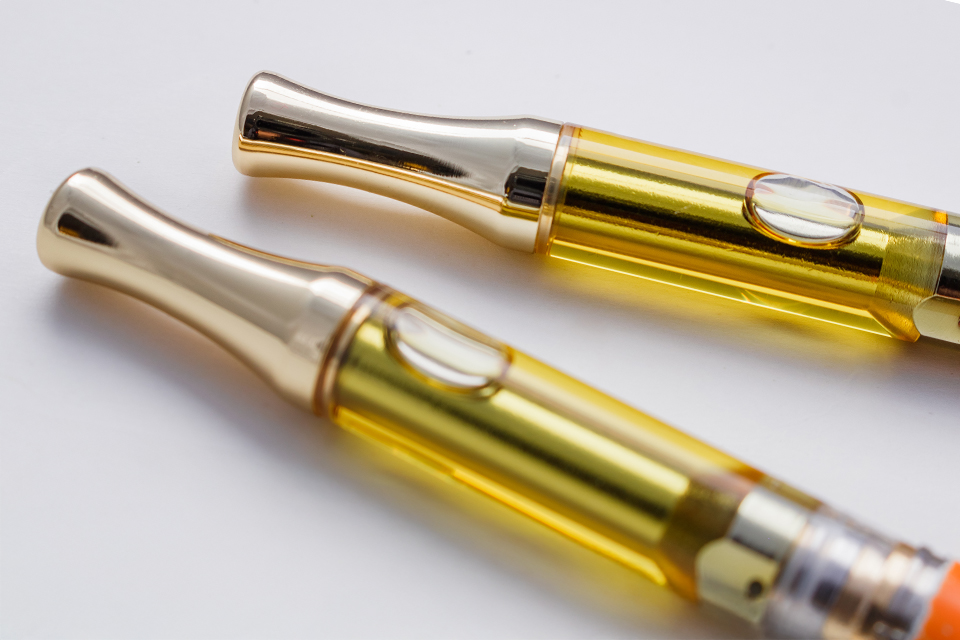
The cannabis industry has seen a remarkable evolution over the past decade, and one name that has been making waves in the Midwest is Delta 9 Omaha. As the demand for high-quality cannabis products continues to grow, delta 9 Omaha has positioned itself as a prominent player, offering a wide range of Delta 9 THC products that cater to both seasoned users and newcomers alike. This article explores the impact of Delta 9 Omaha on the local market, its product offerings, and what makes it stand out in a competitive industry.
Delta 9 Omaha has gained a strong reputation for its commitment to quality and customer satisfaction. Unlike many other cannabis providers, Delta 9 Omaha focuses heavily on ensuring that each product is rigorously tested and crafted to meet high standards. This dedication has earned them a loyal customer base in Omaha and beyond, who trust the brand for consistency and reliability in their Delta 9 THC experience. Their products are often praised for potency, flavor, and smooth effects, which has helped Delta 9 Omaha establish itself as a trusted name in cannabis circles.
The product lineup at Delta 9 Omaha is diverse, catering to a wide spectrum of preferences and needs. From traditional flower strains to innovative Delta 9 THC-infused edibles and concentrates, Delta 9 Omaha offers something for every kind of cannabis enthusiast. Many customers appreciate the variety because it allows them to explore different consumption methods and find what works best for their lifestyle. Whether someone is seeking the therapeutic benefits of Delta 9 THC or simply looking for recreational enjoyment, Delta 9 Omaha’s extensive catalog provides numerous options.
Another factor that sets Delta 9 Omaha apart is their emphasis on education and responsible use. The company actively promotes awareness about Delta 9 THC, its effects, and safe consumption practices. This approach not only helps demystify cannabis for those who may be new to it but also fosters a community of informed users. Delta 9 Omaha’s team is known for being approachable and knowledgeable, often guiding customers through their product choices and answering questions about dosage, effects, and legality. This customer-centric approach has played a significant role in building trust and encouraging responsible cannabis consumption in the Omaha area.
Delta 9 Omaha also contributes to the local economy and community by supporting local growers and businesses whenever possible. By sourcing products and collaborating with partners within Nebraska and neighboring states, Delta 9 Omaha helps strengthen the regional cannabis ecosystem. This commitment to local sourcing benefits not only the company but also helps create jobs and stimulate economic growth in Omaha. For consumers, knowing that their Delta 9 THC products come from responsible, nearby sources adds an extra layer of assurance about quality and sustainability.
Legally, Delta 9 Omaha operates within the framework established by state and federal regulations, ensuring compliance at every level. This legal adherence is crucial in an industry that is still evolving and often faces regulatory scrutiny. Delta 9 Omaha’s transparency about their licensing, testing, and product sourcing gives customers peace of mind, knowing they are purchasing safe and legal Delta 9 THC products. Their responsible business practices serve as a model for other cannabis companies aiming to build reputable and sustainable brands in the Midwest.
The growth of Delta 9 Omaha also reflects broader trends in the cannabis industry, such as the rising popularity of Delta 9 THC as a preferred cannabinoid. Many users seek Delta 9 Omaha’s products because Delta 9 THC is known for its potent psychoactive effects and therapeutic benefits. As research continues to shed light on cannabis compounds, Delta 9 Omaha stays at the forefront by offering innovative formulations and staying connected with the latest scientific developments. This proactive approach ensures that customers have access to safe, effective, and cutting-edge Delta 9 THC products.
Customer feedback consistently highlights the positive experiences people have with Delta 9 Omaha. Whether it’s the smoothness of their vape cartridges or the delicious taste of their Delta 9 edibles, the company’s attention to detail is evident. Many customers mention the friendly service and knowledgeable staff as reasons they keep coming back. This strong community connection is a hallmark of Delta 9 Omaha’s success and a key factor in their ongoing growth in the cannabis market.
In summary, Delta 9 Omaha has emerged as a vital player in Nebraska’s cannabis scene by offering high-quality, diverse Delta 9 THC products combined with exceptional customer service and a strong commitment to education and local sourcing. Their dedication to legal compliance and product excellence has earned them respect and loyalty from consumers in Omaha and beyond. As the cannabis industry continues to expand and evolve, Delta 9 Omaha is well-positioned to remain a leader, setting standards for quality, responsibility, and community engagement in the region.
In recent years, the popularity of natural remedies has soared, especially products derived from hemp and cannabis plants. Among the many brands that have emerged, Quiet Monk CBD stands out for its commitment to quality and effectiveness. Quiet Monk CBD offers a range of products designed to promote relaxation, reduce stress, and improve overall well-being. This article explores the unique qualities of Quiet Monk CBD, how it works, and why it has gained a loyal following among health-conscious consumers.
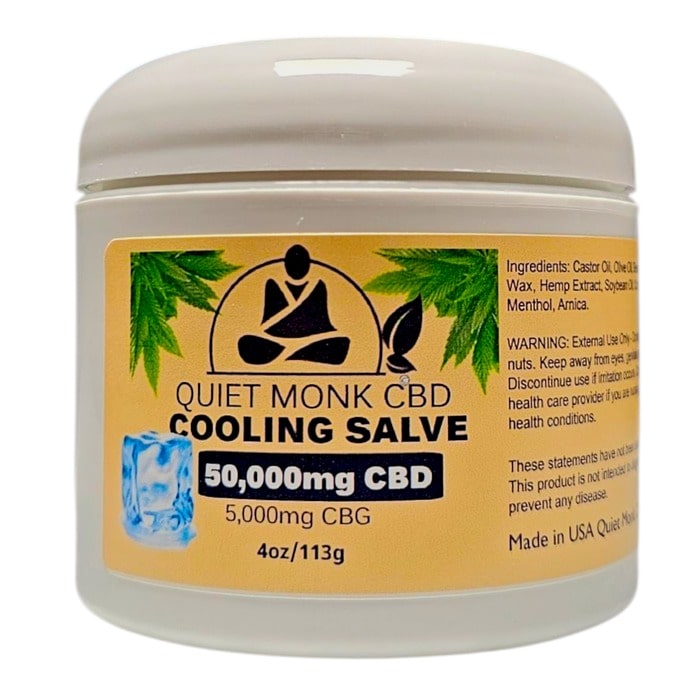
Quiet Monk CBD is known for its meticulous approach to sourcing and production. The brand uses organically grown hemp to ensure that its CBD products are free from harmful pesticides and chemicals. This focus on purity is essential for consumers looking for reliable and safe options in the crowded CBD market. Quiet Monk CBD is extracted using advanced methods that preserve the natural compounds of the hemp plant, including cannabinoids, terpenes, and flavonoids, which work together to provide a full-spectrum effect.
One of the key reasons Quiet Monk CBD has become popular is its versatility. The brand offers various product forms, such as tinctures, capsules, topical creams, and edibles. Each product is crafted to target specific needs, whether it’s managing anxiety, supporting joint health, or enhancing sleep quality. Consumers appreciate that Quiet Monk CBD products are easy to integrate into daily routines, making it simpler to experience the potential benefits of cannabidiol without disruption.
The science behind Quiet Monk CBD involves the interaction of cannabinoids with the body’s endocannabinoid system (ECS). This system plays a vital role in regulating mood, pain, immune response, and sleep. Quiet Monk CBD works by supporting the ECS to maintain balance and harmony within the body. Research suggests that CBD can influence receptors that moderate inflammation and stress responses, which may explain why users report relief from discomfort and enhanced relaxation when using Quiet Monk CBD.
What sets Quiet Monk CBD apart from many other brands is its commitment to transparency and quality assurance. Each batch of Quiet Monk CBD undergoes rigorous third-party testing to verify potency and purity. These lab results are made readily available to consumers, providing peace of mind that the product contains what it claims and is free from contaminants. This transparency helps build trust and loyalty among customers who value honesty in health products.
Another important aspect of Quiet Monk CBD is its non-psychoactive nature. Unlike THC, the compound in cannabis responsible for the “high,” Quiet Monk CBD products contain minimal or no THC, meaning users can benefit from the therapeutic effects without feeling intoxicated. This makes Quiet Monk CBD a suitable choice for individuals who want natural relief but need to avoid psychoactive effects due to work, family, or personal preferences.
The growing awareness of mental health has also contributed to the rise in Quiet Monk CBD’s popularity. Many people are searching for alternatives to traditional medications for managing anxiety and depression. Quiet Monk CBD offers a natural option that may complement other treatments or serve as a standalone aid. Users often report improvements in mood and stress levels, attributing these changes to the calming properties of Quiet Monk CBD.
In addition to mental wellness, Quiet Monk CBD has shown promise in supporting physical health. Athletes and active individuals turn to Quiet Monk CBD to help with muscle recovery and inflammation reduction. The anti-inflammatory qualities of CBD can aid in soothing sore muscles and joints after exercise, making Quiet Monk CBD a valuable part of post-workout routines.
Sustainability is also a key focus for Quiet Monk CBD. The brand emphasizes eco-friendly practices, including organic farming, minimal packaging, and responsible sourcing. This environmental consciousness resonates with consumers who are mindful of their ecological footprint and prefer to support companies that prioritize planet-friendly methods.
As more people explore the benefits of CBD, Quiet Monk CBD continues to innovate and expand its product line to meet diverse needs. The company invests in research and development to refine its formulations and introduce new delivery methods. Whether for stress relief, pain management, or overall wellness, Quiet Monk CBD remains dedicated to providing high-quality, effective, and accessible CBD products.
In conclusion, Quiet Monk CBD represents a thoughtful approach to natural health, combining quality, transparency, and sustainability. Its wide range of products, backed by scientific understanding and rigorous testing, makes Quiet Monk CBD a trusted choice for those seeking holistic wellness solutions. With an emphasis on purity and user experience, Quiet Monk CBD has positioned itself as a leader in the growing CBD industry, helping many find balance and calm in their daily lives.
Over the past decade, the concept of the Weed Dispensary has undergone a significant transformation. Once associated with underground operations and legal uncertainty, today’s weed dispensaries are sleek, professional, and welcoming spaces that offer both medical and recreational cannabis products. As legislation across various regions continues to evolve, so does the role of the weed dispensary in everyday society—emerging not just as a retail space but as a cornerstone for wellness, education, and community engagement.

The journey of the weed dispensary began in response to growing public demand for legal access to cannabis, particularly for medicinal use. Early dispensaries were often located in obscure areas and operated with minimal infrastructure. However, with increasing research supporting the therapeutic benefits of cannabis, governments began to recognize the need for regulated access. This shift gave rise to the modern weed dispensary—a licensed, compliant, and consumer-friendly environment that prioritizes quality, safety, and service.
Today’s weed dispensary is more than just a place to purchase cannabis. It is a carefully curated space where customers can explore a wide range of products, from dried flower and pre-rolls to edibles, oils, tinctures, and topicals. With trained staff—often called “budtenders”—on hand to answer questions and provide recommendations, the weed dispensary serves as a critical resource for new and seasoned users alike. This personalized experience is what distinguishes a professional dispensary from less-regulated or illegal outlets.
One of the standout features of the modern weed dispensary is its focus on education. Many dispensaries offer workshops, informational brochures, and one-on-one consultations to help customers understand how cannabis can be used safely and effectively. Whether a customer is seeking relief from chronic pain, looking to improve sleep quality, or simply exploring recreational use, a weed dispensary provides tailored guidance to support informed decisions. This educational approach fosters responsible use and dispels common myths surrounding cannabis.
The weed dispensary also plays a crucial role in supporting local economies. From job creation and tax contributions to partnerships with local growers and artisans, dispensaries bring tangible benefits to the communities in which they operate. In many areas, the success of a weed dispensary has helped revitalize struggling neighborhoods and shift public perception toward viewing cannabis as a legitimate and valuable industry. These economic ripple effects highlight the broader significance of legalization beyond personal consumption.
In terms of product quality, a licensed weed dispensary adheres to rigorous standards. Products are lab-tested for potency, purity, and contaminants, giving consumers peace of mind about what they’re purchasing. This commitment to safety is essential in an industry where unregulated products can pose serious health risks. By offering transparency and traceability, dispensaries ensure that customers receive consistent and trustworthy products every time they visit a weed dispensary.
Additionally, the aesthetic and design of a weed dispensary has become an important aspect of the customer experience. Gone are the days of dimly lit back rooms; today’s dispensaries often resemble upscale wellness boutiques or tech stores. Clean, inviting interiors, digital menus, and knowledgeable staff create an atmosphere that makes patrons feel comfortable and respected. This shift in presentation has been instrumental in normalizing cannabis use and encouraging a more diverse clientele to explore the offerings of a weed dispensary.
Community outreach is another hallmark of the responsible weed dispensary. Many dispensaries support social equity programs, contribute to local charities, and host events that promote safe and inclusive cannabis use. This sense of civic responsibility strengthens the relationship between dispensaries and the neighborhoods they serve, further solidifying the role of the weed dispensary as a trusted community partner rather than just a place of commerce.
The future of the weed dispensary looks promising, with technological advancements poised to enhance the customer experience even further. Mobile ordering, delivery services, loyalty programs, and AI-powered recommendations are already becoming standard features. As cannabis research continues to expand, dispensaries will likely diversify their offerings to include more specialized products and treatments. This ongoing innovation ensures that the weed dispensary remains at the forefront of health and wellness trends.
Despite its many strides, the weed dispensary still faces challenges. Regulatory inconsistencies between jurisdictions, banking restrictions, and lingering stigma are just a few of the obstacles dispensaries must navigate. However, the progress made so far underscores a clear cultural shift toward acceptance and normalization. With continued advocacy and consumer support, the weed dispensary is well-positioned to become a fixture in both urban and rural settings for years to come.
In conclusion, the weed dispensary has emerged as a symbol of progress in cannabis culture. Far from its modest beginnings, it now stands as a beacon of education, safety, and community engagement. Whether serving patients in need or enthusiasts exploring new experiences, the modern weed dispensary is reshaping perceptions and setting new standards for what a cannabis retail experience should be.
Weed, also known as marijuana, cannabis, or ganja, is one of the most widely known and used plants in the world. It has a complex history intertwined with cultural, medicinal, recreational, and legal dimensions. This article explores the origins of Weed, its uses, effects on the human body, legal status around the globe, and its cultural significance.
Origins and History of Weed
Cannabis is believed to have originated in Central Asia thousands of years ago. Archaeological evidence suggests humans used the plant for fiber, food, and medicinal purposes as early as 5000 BCE. The plant’s psychoactive properties were discovered and utilized in various ancient cultures, including in India, China, and the Middle East.
Historically, cannabis served multiple purposes. The hemp variety was used to produce textiles, rope, and paper due to its strong fibers. The psychoactive variety, rich in THC (tetrahydrocannabinol), became part of spiritual and religious rituals in some cultures. For instance, in Hinduism, cannabis is associated with the god Shiva and has been consumed during festivals and religious ceremonies.
Medicinal Uses of Weed
Cannabis contains more than a hundred active compounds called cannabinoids. The two most notable cannabinoids are THC, responsible for the “high,” and CBD (cannabidiol), which is non-psychoactive but has potential therapeutic effects.
Medicinally, cannabis has been used to relieve symptoms of various conditions, including chronic pain, nausea, epilepsy, and multiple sclerosis. In recent decades, scientific research has validated many of these uses, leading to the legalization of medical marijuana in numerous countries and states.
For patients undergoing chemotherapy, cannabis can help reduce nausea and stimulate appetite. For individuals with chronic pain, especially related to nerve damage or inflammation, cannabis can provide relief without the addictive risks associated with some opioids.
CBD, in particular, has gained attention for its potential to reduce anxiety, manage seizures, and combat inflammation without causing intoxication.
Recreational Use and Effects
Recreational use of weed is popular worldwide, largely due to its psychoactive effects. When smoked, vaporized, or ingested, THC interacts with the brain’s endocannabinoid system, producing feelings of euphoria, relaxation, altered perception of time, and increased appetite.
The effects can vary widely depending on the strain, dosage, and individual tolerance. While many users experience relaxation and enhanced sensory perception, others may face side effects like anxiety, paranoia, dry mouth, or impaired short-term memory.
Unlike alcohol or some other substances, cannabis is generally not linked to fatal overdose, but its use can impair motor skills and cognitive functions temporarily, making activities such as driving dangerous.
Legal Status Around the World
The legal status of weed varies significantly across countries and regions. For much of the 20th century, cannabis was criminalized globally under various international treaties and national laws.
However, the tide has been shifting. Several countries and U.S. states have legalized cannabis for medical or recreational use, reflecting changing public attitudes and recognition of its medical benefits.
In some places like Canada, Uruguay, and parts of the United States, recreational cannabis is legal and regulated, allowing adults to purchase and use it within legal limits. Many other countries permit only medical marijuana or decriminalize possession of small amounts, while others maintain strict prohibition.
This patchwork of laws creates complexities, especially for travelers or those crossing borders. Despite legalization in some areas, cannabis remains classified as a controlled substance under international treaties, complicating global policies.
Economic and Cultural Impact
The legalization and commercialization of cannabis have led to the rapid growth of a multi-billion dollar industry. This includes cultivation, distribution, retail sales, and ancillary products such as edibles, concentrates, and wellness products.
Cannabis has created jobs, generated tax revenue, and spurred innovation in agriculture and product development. However, the industry also faces challenges, including regulation, quality control, and addressing the social justice impacts of past cannabis criminalization.
Culturally, weed has influenced music, art, literature, and lifestyle for decades. It is closely associated with counterculture movements, especially in the 1960s and 70s, promoting ideas of peace, freedom, and alternative lifestyles.
In many places, cannabis use is still stigmatized, but public opinion is shifting as more people recognize its potential benefits and advocate for fair policies.
Risks and Responsible Use
While many enjoy cannabis without major issues, it is not risk-free. Heavy or early use, especially among adolescents, may impact brain development and increase the risk of mental health issues such as psychosis in vulnerable individuals.
Dependency and withdrawal symptoms can occur in some users, though cannabis addiction is generally considered less severe than addiction to substances like alcohol or opioids.
Responsible use includes understanding dosage, avoiding impaired driving or risky behaviors, and knowing local laws. Education and public health initiatives are key to minimizing harms while maximizing benefits.
Conclusion
Weed is a plant with deep historical roots and wide-ranging implications. Its medicinal properties offer hope for many patients, while recreational use continues to shape culture and society. The evolving legal landscape reflects growing recognition of cannabis’s complexity and potential.
As research advances and policies adapt, society continues to balance the benefits and risks of weed, moving toward a more informed and nuanced approach to this ancient plant.